In our whitepaper ‘Mind the Measurement Gap – An industry perspective on the journey towards full effect campaign measurement’, JICMAIL has mined over one thousand campaigns from the Data & Marketing Association’s (DMA) Intelligent Marketing Databank to reveal a host of insights related to campaign measurement and effectiveness.
The whitepaper highlights the increasingly complex challenges that measurement practitioners and marketers face when attempting to paint a full picture of marketing effectiveness.
A roundtable of industry experts covering advertisers such as Santander, Specsavers and People’s Postcode Lottery, and agencies such as Mediacom, Havas, Wunderman Thompson, MBA Stack and M.i. Media, was convened by JICMAIL and the DMA to discuss the challenges highlighted in Intelligent Marketing Databank findings.
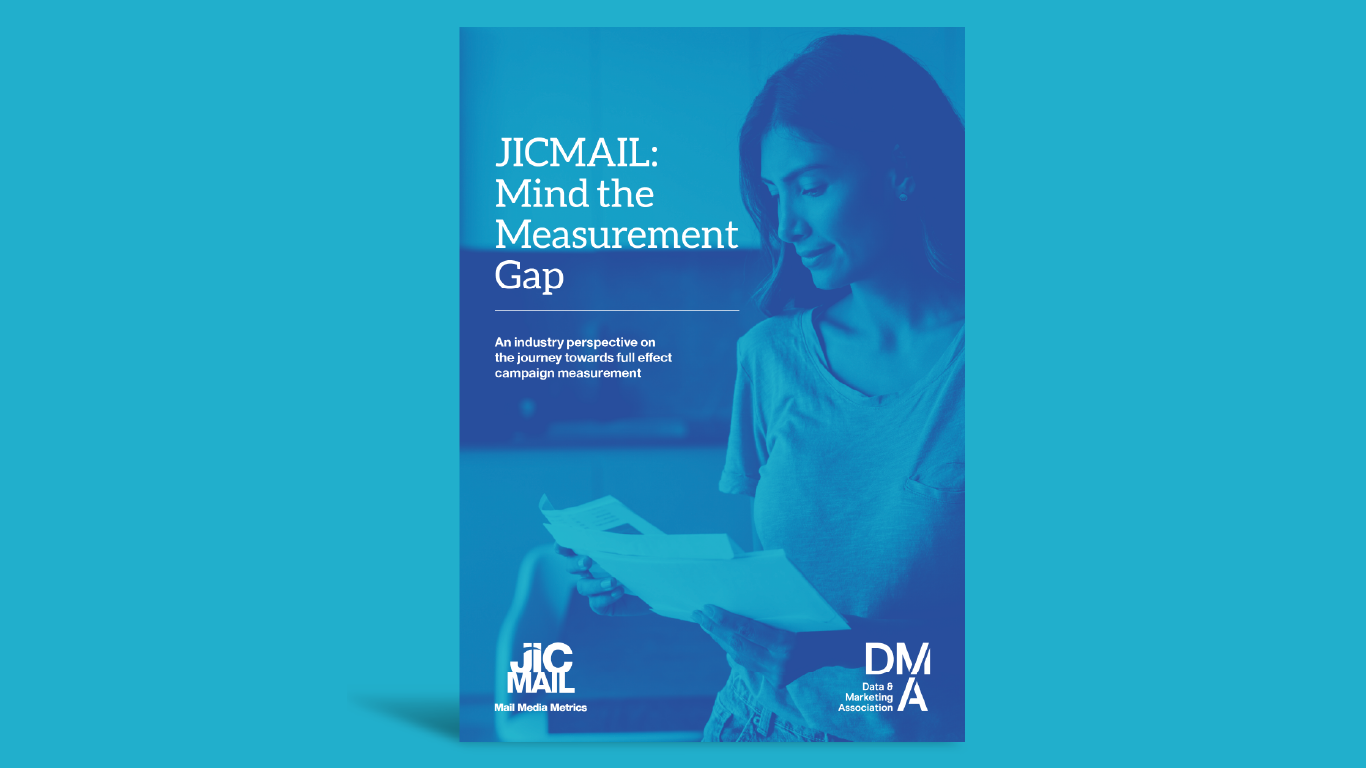
Mind the Measurement Gap – An industry perspective on the journey towards full effect campaign measurement
They agreed that despite an industry hooked on measuring short-term outcomes and easily accessible digital campaign reporting, marketers and measurement practitioners have a responsibility to refocus the measurement conversation on brand, response, and business effects.
The focus group recommended that the silos across disciplines, channels, teams, and client-agency relationships must be broken down to plug the gaps in full-effect measurement. Too many marketing teams are still siloed by channel, and with each channel targeted according to different brand and response goals, these silos create self-interest detrimental to business performance.
Sophia Walmsley, Marketing Effectiveness Lead at Santander, advises on the importance of breaking down the measurement siloes and providing a channel-neutral approach to measurement: “Within our organisation, marketing and 1-to-1 are viewed separately, but, in reality, our existing customers are going to see our mass marketing too. We know from research that exposure across multiple channels increases the likelihood of the purchase of an additional product, yet our attribution approaches are separate. Having said that our MMM is an extremely effective tool in combating this across marketing channels, it provides a channel-agnostic view that enables us to plan a campaign as a whole. The next step is channel agnostic measurement.”
Industry’s over-reliance on vanity metrics
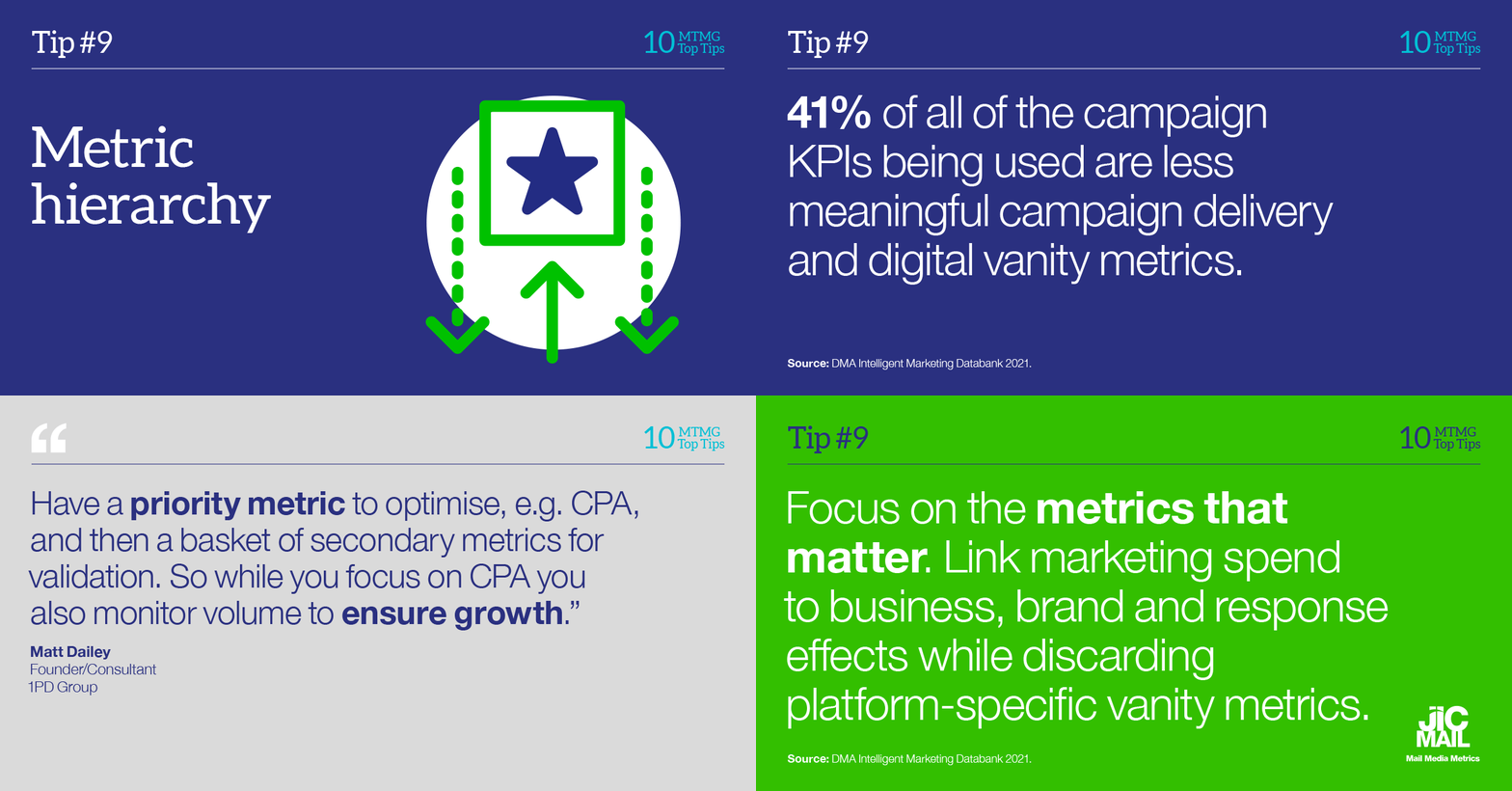
DMA research has found that 41% of all metrics used to measure campaign effectiveness relate to less meaningful campaign delivery and digital vanity metrics, while 59% relate to meaningful business, brand, and response outcomes.
This over-reliance on campaign delivery and digital vanity metrics has not improved over the course of the last five years, and with average campaign effectiveness declining by 29% between 2020 and 2021, there is evidence that below-par campaign measurement is having a negative impact on overall marketing performance.
Commenting on the tendency of marketing measurement to be focused on less meaningful campaign delivery and digital vanity metrics, Matt Dailey, Chief Performance Officer at Havas says: “There is so much data that is easily available… and people have become obsessed with efficiency and short-termism, whilst measuring effectiveness is hard. The easiest way out is to show that something happened and not whether that something is really of any value.”
The multi-channel reality in which consumers, planners and practitioners now live creates a double-edged sword. On the one hand, it enables advertisers to take advantage of significant effectiveness multiplier effects, yet on the other, it creates a world of increased complexity with each channel battling to prove attributable and incremental effects.
Other key highlights from the Mind the Measurement Gap report include:
- Mail campaigns that include an element of Ad Mail (including Direct Mail and Door Drops) generate 50% more business, brand and response effects than the average campaign; and in addition are the least reliant on less meaningful campaign delivery effects in their measurement plans.
- 10% of the metrics in the DMA’s Intelligent Marketing Databank were digital-specific metrics in 2017. This has nearly doubled five years later. With reporting of digital effects on the rise, it is more important than ever for offline channels to have their digital impact properly attributed.
As a next step, JICMAIL and the DMA will look to encourage best practice measurement by creating shareable effectiveness frameworks with the marketing community.
Our thanks to:
- Chair: Clare O’Brien, Head of Media, Effectiveness and Performance, ISBA
- Nuala Kennedy, Chief Data Officer, People’s Postcode Lottery
- Sandra Doyle, CRM Strategist, Specsavers
- Stephen Mayer, CEO, MBAStack
- Lynda Helyer, Data Strategy Director, Wunderman Thompson UK
- Matt Dailey, Chief Performance Officer, Havas
- Richard Slater, Managing Director, M.i. Media
- George Gloyn, Director, MediaCom
- Sophie Grender, Director of New Business, Marketreach
- Adam Edelshain, Director, PwC
- Ian Gibbs, Director of Data Leadership & Learning, JICMAIL
- Mark Cross, Engagement Director, JICMAIL
- DMA Awards Team
From rigorous client on-boarding processes, to the development of bespoke client-specific measurement frameworks, along with advice on not letting the quest for perfect measurement get in the way of creating something immediately practical and meaningful, this paper is packed with essential tips for marketers and measurement practitioners.

See below our Top Tips for plugging the measurement gap
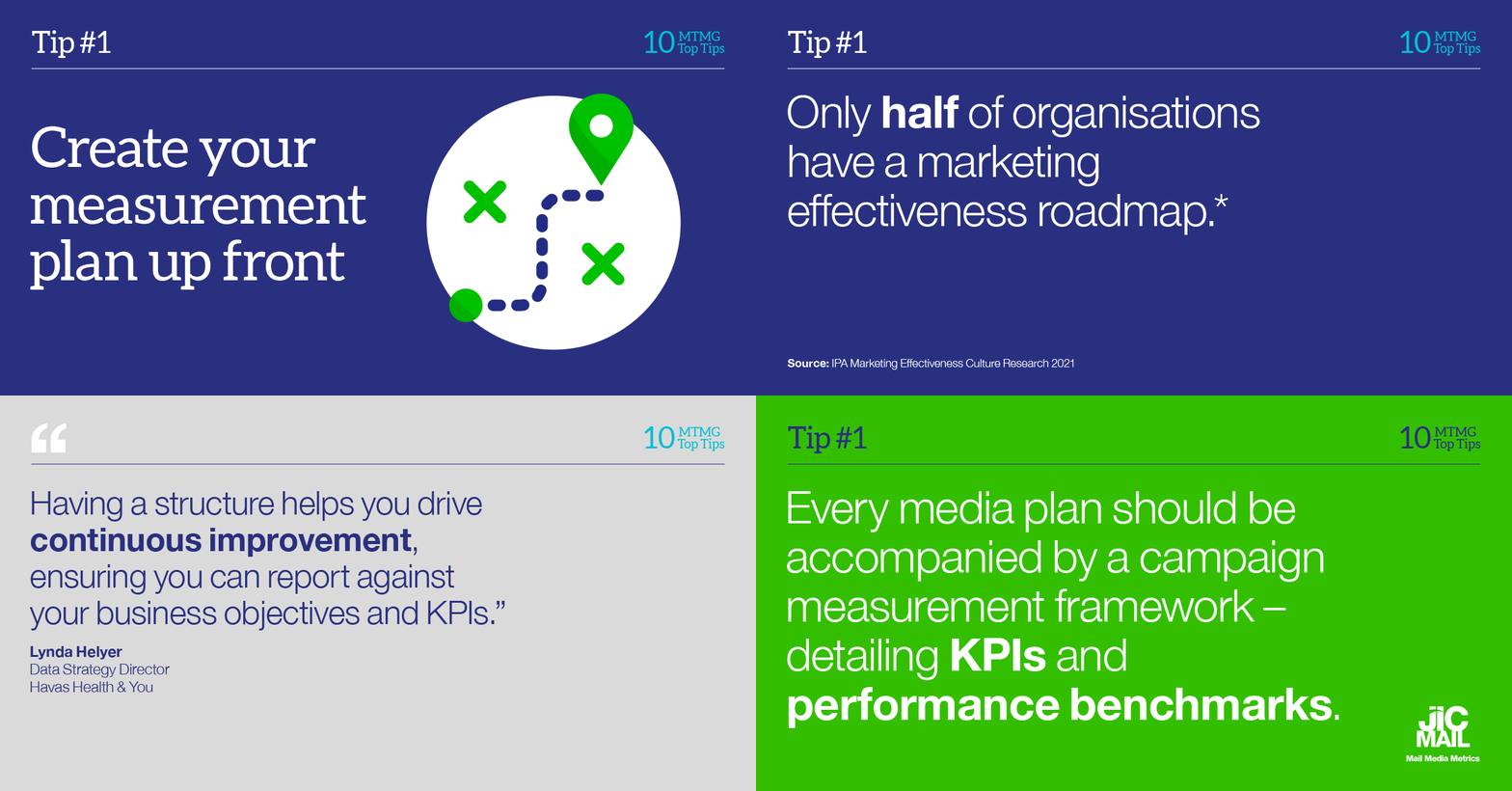
#1 Create your measurement plan up front
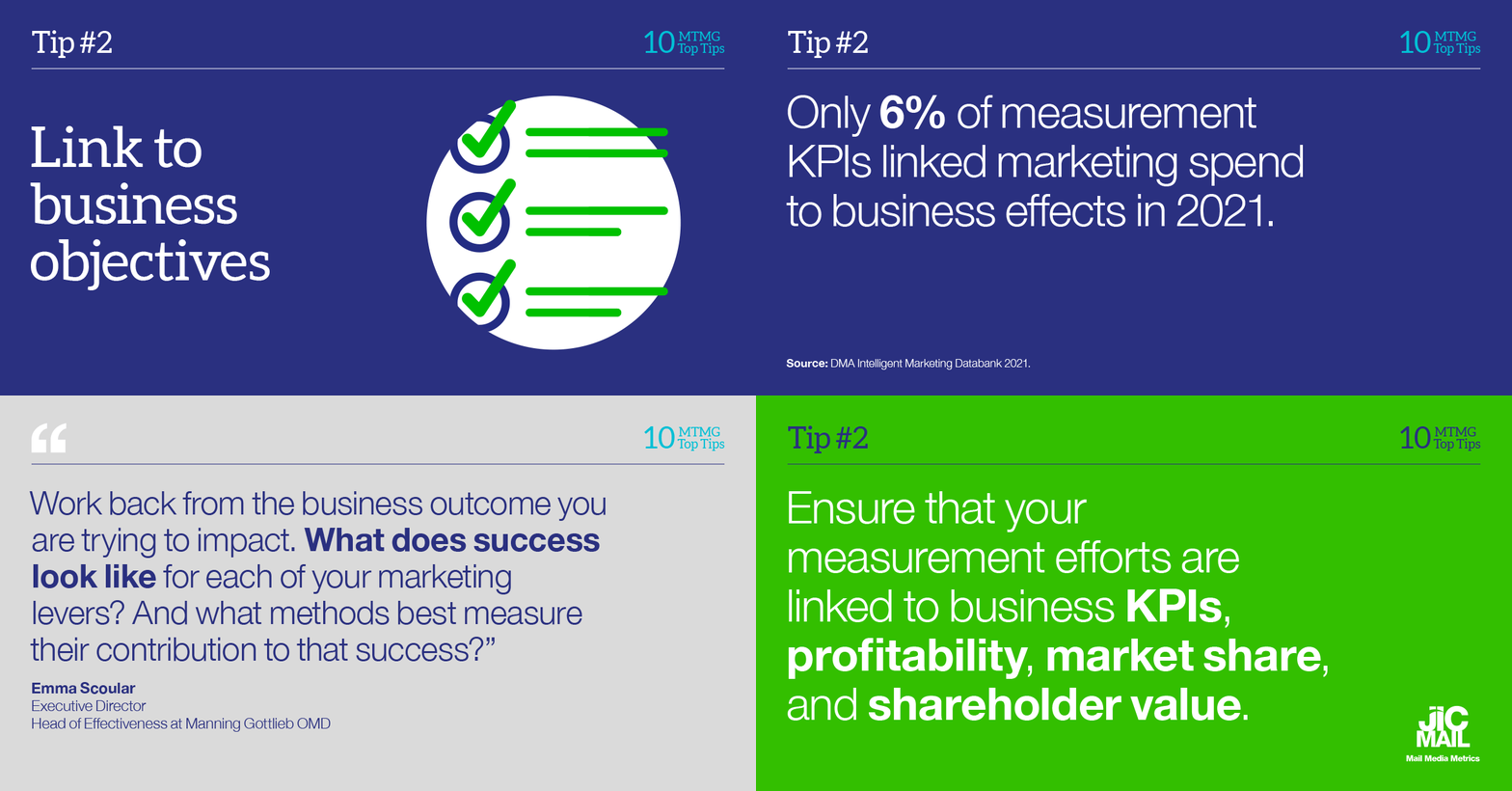
#2 Link to Business Objectives
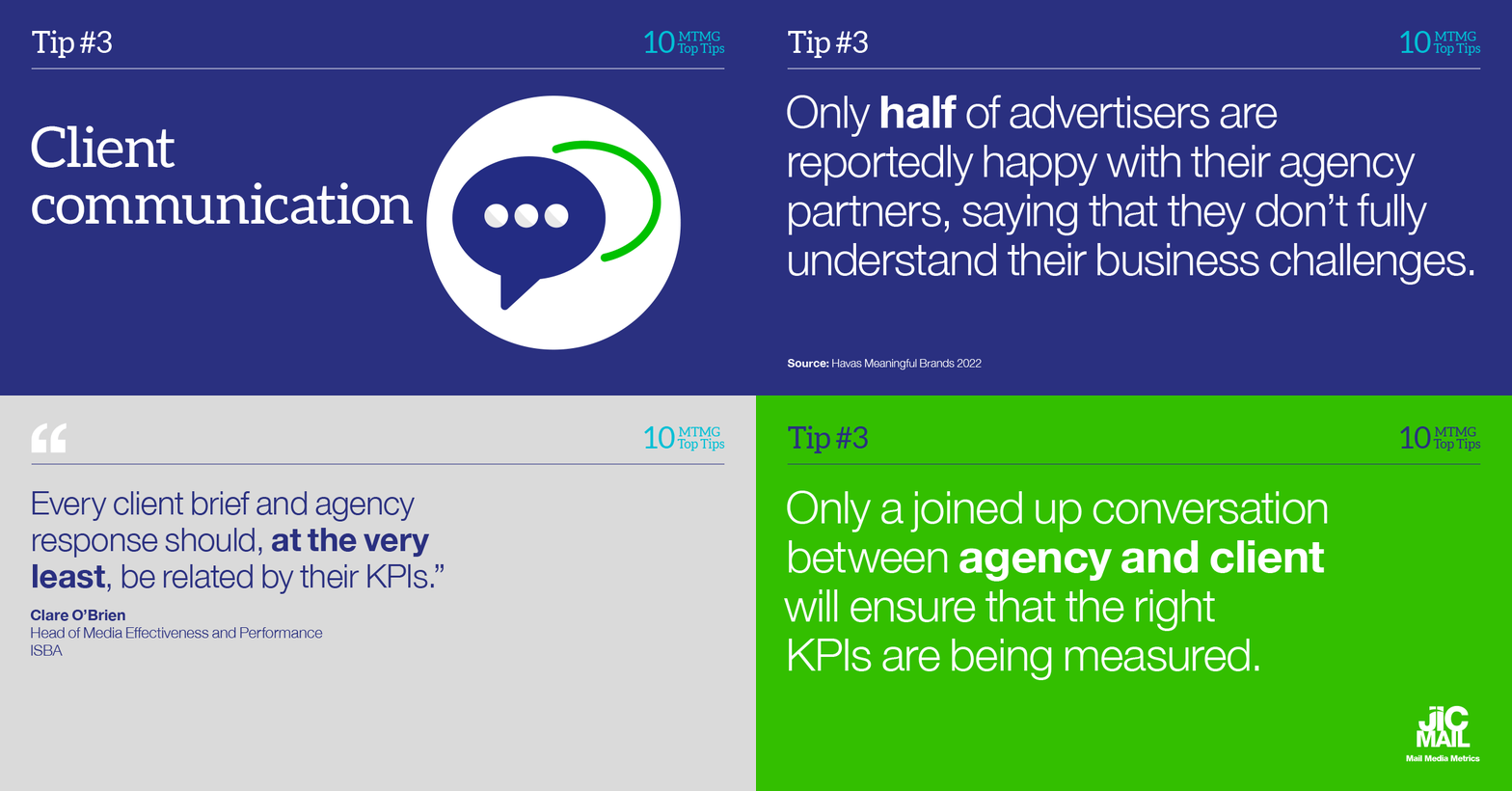
#3 Client Communication

#4 Joined up thinking

#5 No Silver Bullets
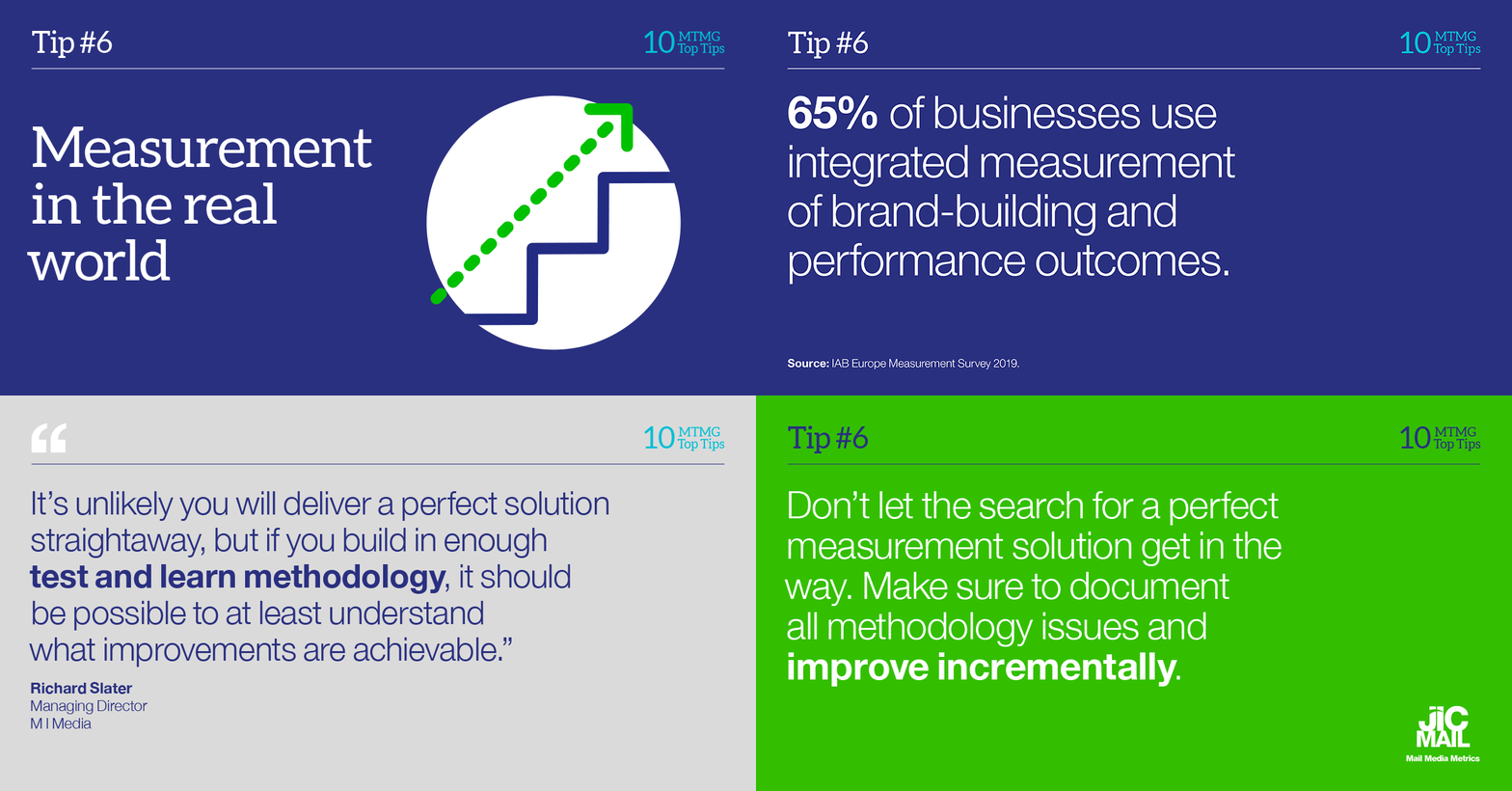
#6 Measurement in the real world
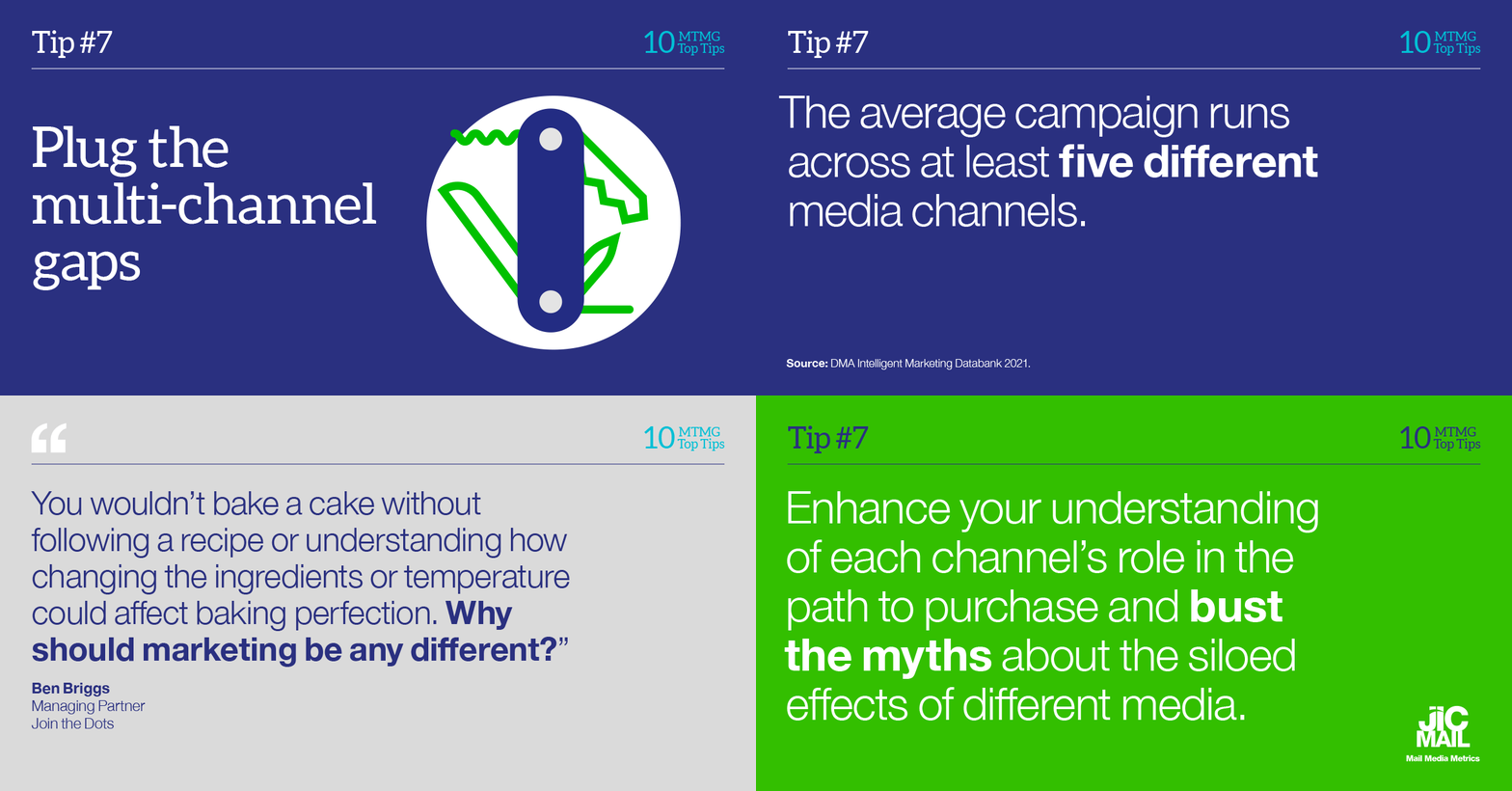
#7 Plug the multi-channel gaps
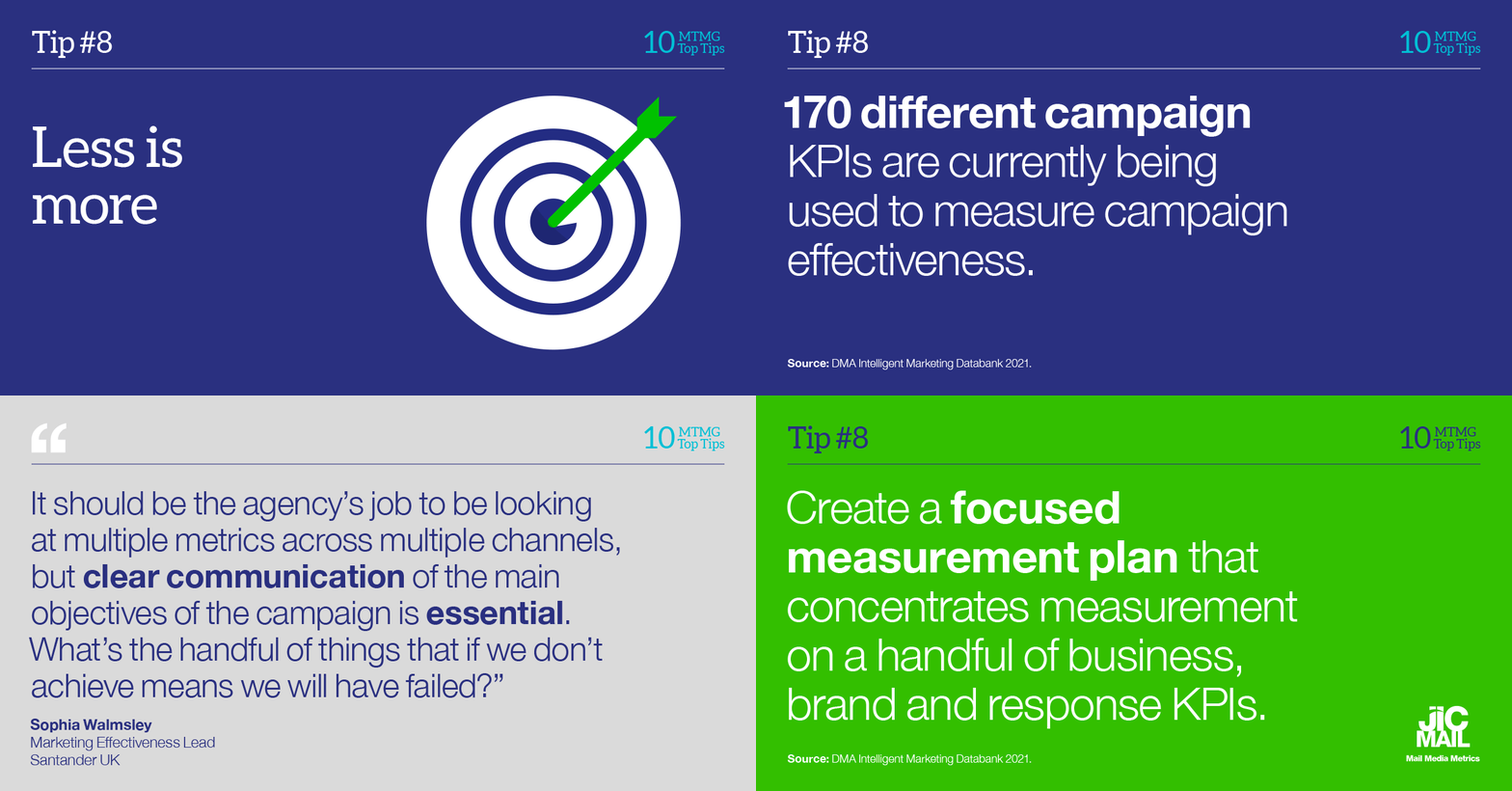
#8 Less is more
#9 Metric Hierarchy